


A garden doesn’t need acres of land, elaborate equipment, or years of experience to become something extraordinary. Sometimes, all it takes is a few seeds, a suitable place to plant them, and the curiosity to see what happens next.
For many people, gardening begins with a simple goal: growing fresh vegetables, adding color to an outdoor space, or bringing the fragrance of herbs into the kitchen. Over time, that small project can become a meaningful part of everyday life. It encourages creativity, offers opportunities to learn, and creates a closer connection with the changing seasons.
Botanical Interests understands that gardening is about both the plants we grow and the experiences we create along the way. Through its extensive seed collection, educational resources, and distinctive approach to product design, the brand helps gardeners turn everyday spaces into places of discovery and growth.
A Garden That Reflects Your Life
One of the most appealing things about gardening is its flexibility. There is no single formula for creating a beautiful or productive space.
A home cook might build a garden around basil, parsley, and other culinary herbs. A family may prefer vegetables that can be harvested together at the end of a long summer day. Someone with a small patio might choose compact flowers and container-friendly varieties, while a homeowner with more space could experiment with layered flower beds and mixed plantings.
Botanical Interests offers seeds across a wide range of categories, allowing gardeners to explore these different possibilities and develop gardens that suit their lifestyles.
Founded in 1995 with an initial collection of 96 varieties, the company grew from a straightforward ambition to make seed gardening more enjoyable and accessible. Its approach recognizes that people are drawn to gardening for different reasons, and the products they choose should reflect those interests.
The result is an invitation to experiment. Gardeners can start with familiar favorites, discover unusual varieties, or gradually expand their growing spaces as their confidence increases.
A garden doesn’t have to be complete on the first day. In many ways, its greatest appeal lies in the freedom to let it evolve.
The Importance of Choosing Well
Before a garden begins to flourish, there is a decision that deserves careful attention: which seeds should you plant?
The answer depends on more than personal preference. Local climate, sunlight, soil conditions, available space, and the amount of time a gardener can dedicate to maintenance all influence which plants are likely to thrive.
Botanical Interests helps simplify this decision through its seed selection and detailed product information. Its collection includes vegetables, flowers, herbs, heirloom varieties, and options for gardeners interested in organic growing.
The company emphasizes seed quality and reports using regular third-party germination testing. Its seeds are sold without fillers or chemical seed treatments, and it participates in the Non-GMO Project Verified program. Selected varieties carry organic certification, with specific information provided for individual products.
These details allow gardeners to compare options with greater confidence. Someone planning a vegetable garden can consider harvest timing and growing requirements, while a flower enthusiast can look at plant height, color, and blooming characteristics.
Thoughtful selection also helps prevent common frustrations. A sun-loving plant may struggle in a shaded corner, while a variety suited to a warm growing season may need a different planting schedule in a cooler region.
The more closely a plant’s needs match its environment, the better the opportunity for a successful growing experience.
Learning Begins Before the First Sprout
For new gardeners, the first planting can bring a mixture of excitement and uncertainty. How deep should the seeds go? How often should the soil be watered? When should the first seedlings appear?
These questions are a natural part of learning, and useful information can make the process far less intimidating.
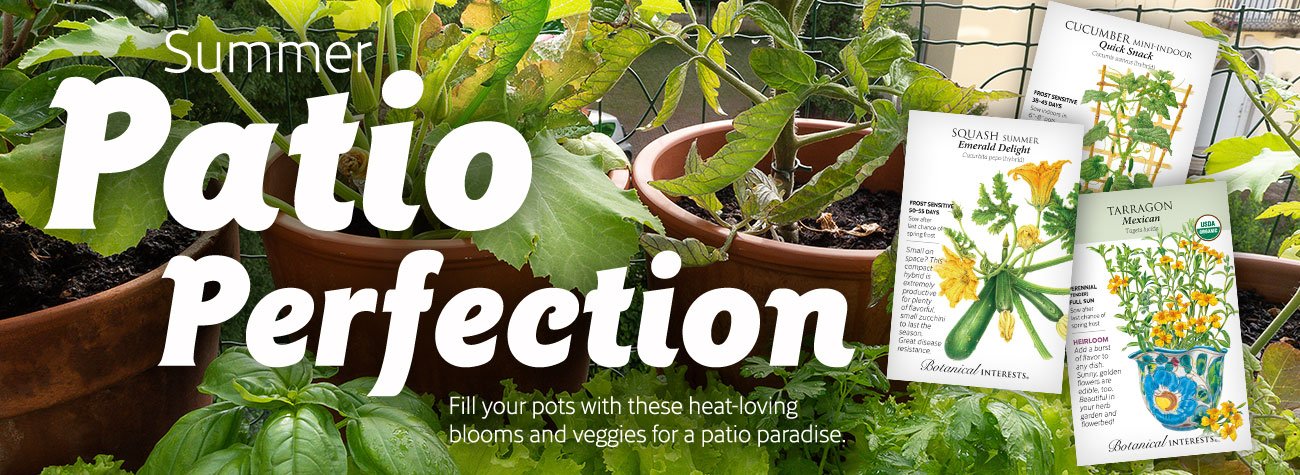
Botanical Interests distinguishes its seed packets through illustrated designs and practical growing guidance. The packaging often includes information about planting depth, spacing, light requirements, and the expected timing of growth or harvest.
Rather than serving only as product packaging, the seed packet becomes a reference that gardeners can return to throughout the season.
This approach reflects an important principle: education is most useful when it connects directly with the activity at hand