

Some brands begin with a groundbreaking invention or a complicated business strategy. Others begin with a much simpler question: Is there an easier way to solve an everyday problem?
That simple idea is at the heart of KITSCH.
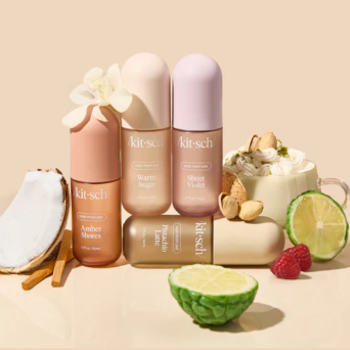
Founded by Cassandra Thurswell in 2010, KITSCH began as a small beauty accessories business and gradually developed into a broader lifestyle and beauty brand. Today, its products span hair accessories, styling tools, hair care, shower essentials, sleep products, and other everyday beauty items.
What connects these different categories is a straightforward philosophy: everyday beauty routines do not need to be difficult, time-consuming, or boring.
Instead, small improvements can make familiar routines feel easier, more comfortable, and even more enjoyable.
Starting With Hair
Hair has always been central to the KITSCH experience.
For most people, hair care is not an occasional activity. It is something that happens almost every day. We tie our hair back, style it, wash it, brush it, protect it while sleeping, and look for ways to make the entire process easier.
KITSCH focuses heavily on these ordinary moments.
Its collection includes scrunchies, claw clips, headbands, hair clips, brushes, styling tools, and other accessories, along with shampoos, conditioners, treatments, and scalp-care products.
Rather than asking consumers to completely reinvent their beauty routines, the brand often takes a familiar activity and looks for a more convenient way to approach it.
Sometimes, the solution is as simple as changing the tool you use every day.
Rethinking the Way We Style Hair
One of KITSCH’s most recognizable ideas is heatless hair styling.
Traditional curling methods often require heated tools such as curling irons or other styling devices. KITSCH offers alternatives such as satin heatless curling sets and flexible rods that allow users to create curls and waves without relying on traditional heat-based styling.
The concept is appealing because it can fit naturally into an existing routine.
Instead of setting aside a specific block of time to style your hair, heatless styling can become part of your evening routine. Prepare your hair before bed, let the styling method do its work, and finish the look the next morning.
It is a small change, but it can make the process feel completely different.
More importantly, it demonstrates the way KITSCH approaches product development: identify something people already do, then find a way to make the experience simpler.
When Practical Products Become Accessories
A hair accessory does not have to be purely functional.
KITSCH has built much of its identity around making ordinary beauty tools visually appealing as well as useful. Claw clips, scrunchies, headbands, and other accessories come in different colors, patterns, textures, and designs, allowing them to become part of an outfit rather than something that simply holds hair in place.
That combination of practicality and personality gives everyday products a different role.
A scrunchie can secure a ponytail while adding color to an outfit. A claw clip can be useful during a busy day while also becoming part of a hairstyle. Even a simple headband can become a small expression of personal style.
KITSCH has also created collaborations featuring recognizable entertainment and lifestyle properties, bringing familiar characters and designs into its beauty accessories.
The result is a category that feels less like a collection of basic tools and more like an extension of personal style.
Beauty Beyond the Bathroom Mirror
As KITSCH has grown, its definition of beauty has expanded beyond hair styling.
The brand now covers several parts of everyday self-care, including hair, skin, shower routines, and sleep.
That broader approach reflects something important about modern beauty: taking care of yourself does not only happen while standing in front of a mirror.
It can happen in the shower.
It can happen before going to bed.
It can happen while preparing your hair for the next morning.
Products such as satin pillowcases and sleep accessories illustrate this idea particularly well. They connect nighttime habits with hair care, turning an ordinary part of the day into another opportunity to support a beauty routine.
Instead of separating beauty into isolated categories, KITSCH brings many of these small habits together.
Making Everyday Routines More Enjoyable
Beauty products are often marketed around dramatic results. Smoother hair, defined curls, healthier-looking skin, or a more polished appearance are common promises.
KITSCH takes a somewhat different approach by placing considerable attention on the experience of getting there.
A good hair tie can make a simple hairstyle more comfortable.
A well-designed clip can make getting ready faster.
A heatless curling tool can offer another way to create waves.
A satin accessory can become part of a nighttime routine.
None of these changes has to transform someone’s entire lifestyle. Their value comes from making small, repeated moments a little better.
And because these are routines people perform again and again, even a small improvement can become meaningful over time.
The Bigger Idea Behind KITSCH
The story of KITSCH is ultimately about more than hair accessories.
It is about recognizing that beauty exists in ordinary moments.
Getting ready in the morning, washing your hair, putting it up during a busy afternoon, preparing for bed, and choosing an accessory that matches your outfit are all small parts of everyday life.
KITSCH has built its brand around these moments.
From its beginnings in 2010 to its expanding collection of beauty and lifestyle products, the company has continued to explore ways to make familiar routines more functional while keeping them playful and visually appealing.
The idea is refreshingly simple: beauty does not always require a complicated routine or a dramatic transformation.
Sometimes, all it takes is a better tool, a more convenient method, or a small detail that makes an ordinary routine feel a little more special.
And that may be the real appeal of KITSCH—taking the things people already do every day and finding new ways to make them work better.